/// faith
The Healing Power of Broken Hallelujahs
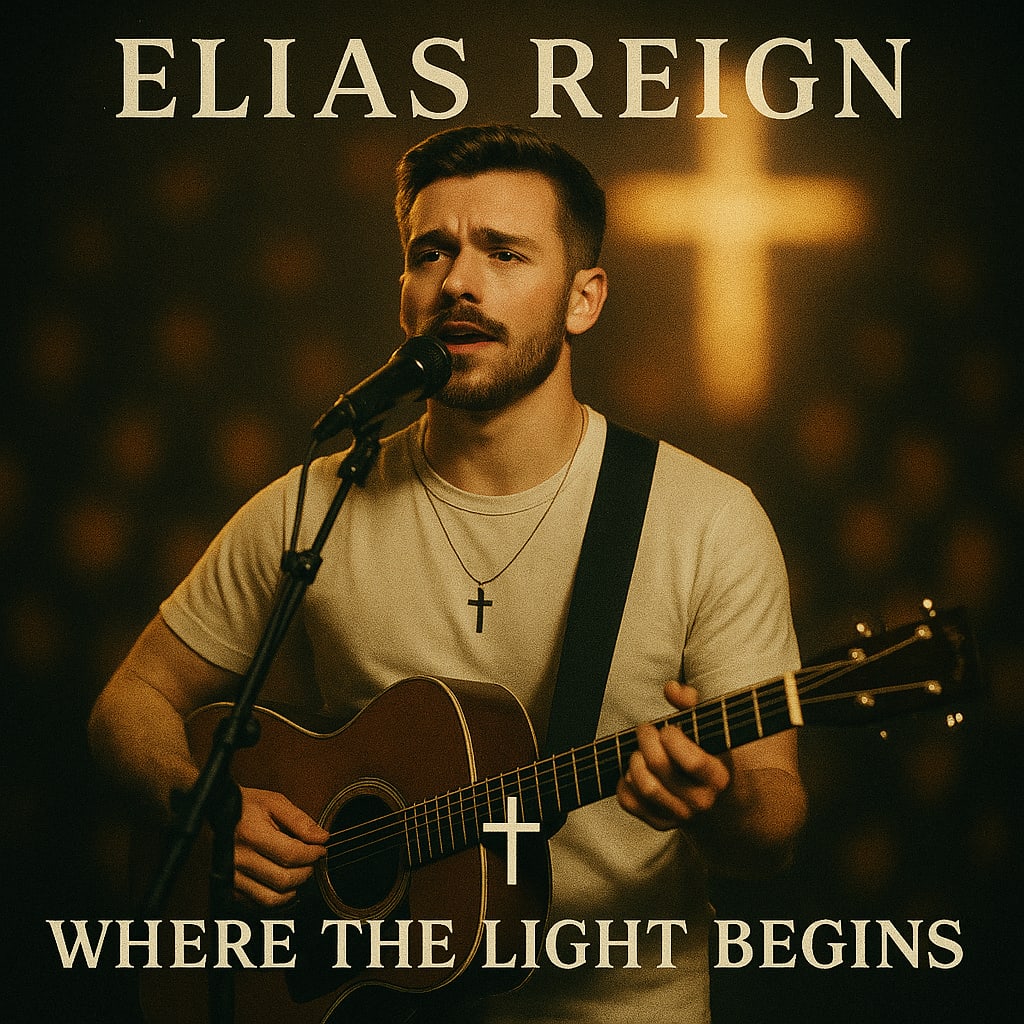
Leonard Cohen once wrote about singing "broken hallelujahs," and I've been thinking about how our most powerful worship often comes from our most wounded places.
Last Sunday, I was leading worship at a small church outside of Nashville. As we were singing "Amazing Grace," I noticed an elderly woman in the third row who was crying—not the gentle tears of joy you sometimes see during worship, but the deep, shaking sobs of someone carrying unbearable grief.
After the service, she approached me with trembling hands. "That song," she whispered, "it's the first time I've been able to worship since my husband died six months ago. I thought God had forgotten about me, but today... today I felt His love again."
Her broken hallelujah was more beautiful than any technically perfect performance I've ever given.
When Worship Hurts
We have this idea that worship should always feel good, that it should lift us up and fill us with joy. And sometimes it does. But what about when life has knocked us down? What about when we're sitting in the ashes of loss, disappointment, or shattered dreams?
The Psalms teach us that worship isn't always about celebration. David wrote some of his most powerful songs from caves while running for his life. He questioned God, complained to God, even got angry with God—and yet these prayers became songs of worship that have sustained believers for thousands of years.
The Ministry of Broken Hearts
I've learned that my own broken places have become the source of my most meaningful ministry. The grief I felt when my father died when I was seven—that's where "Name You Gave Me" was born. The loneliness I experienced as a teenager—that's what gave birth to songs about finding identity in Christ. The seasons when I've felt distant from God—those have produced some of my most honest worship lyrics.
Our wounds don't disqualify us from worship; they authenticate it.
Singing Through the Pain
There's a beautiful Hebrew word, "todah," which means both "thanksgiving" and "sacrifice." The idea is that sometimes thanksgiving itself is a sacrifice—we offer it not because we feel grateful, but because we choose to trust God's goodness even in the midst of pain.
That's what broken hallelujahs are—they're todah moments when we choose to worship not because everything is going well, but because we believe God is still good even when life isn't.
The Church as a Hospital
I've been thinking about how the church should be less like a performance hall and more like a hospital—a place where the wounded come to find healing, where broken hallelujahs are not only welcomed but celebrated.
Too often, we put pressure on people to "have it all together" at church. We smile and say "I'm blessed" when asked how we're doing, even when we're falling apart inside. But what if church became a place where we could bring our real selves—our doubts, our grief, our questions, our broken hallelujahs?
An Invitation to Authenticity
If you're reading this and you're going through a difficult season, I want you to know: your broken hallelujah is precious to God. Your worship doesn't have to be perfect to be powerful. Your faith doesn't have to be strong to be real.
Maybe you can't sing "How Great Thou Art" with conviction right now. Maybe the most honest thing you can offer God is "Help me make it through this day." That's worship too.
The Beauty in the Breaking
There's an old Japanese art form called "kintsugi" where broken pottery is repaired with gold, making the mended piece more beautiful than the original. The breaks aren't hidden—they're highlighted, celebrated as part of the piece's story.
I think that's what God does with our broken hallelujahs. He doesn't just fix us; He makes our brokenness part of our beauty. Our scars become the places where His light shines through most brightly.
A New Song
That encounter with the grieving woman inspired a new song I'm working on:
I don't have much to offer You today
Just these broken, weary hands
But if a whispered "thank You" is a prayer
Then I'm worshiping the best I can
These broken hallelujahs
Are all I have to bring
But You take my imperfect offering
And make something beautiful sing
Sometimes the most profound worship happens not on the mountain tops of life, but in the valleys. Not when we're strong, but when we're weak. Not when we have it all figured out, but when we're barely holding on.
Permission to Be Human
I want to give you permission to bring your broken hallelujah to God. Don't wait until you feel "spiritual enough" or "put together enough." Come as you are, with whatever offering you have—even if it's just showing up.
God doesn't need our perfection. He wants our hearts. And sometimes the most honest thing our hearts can offer is a broken hallelujah.
May your broken places become the very places where God's love shines through most clearly, and may your wounded worship become a source of healing for others.